Microplastics in water: scientists identify a new hidden health threat
Research from Columbia University proves that microplastics in water are chemically active and can potentially damage living cells.
 🎓Education
Photo: TSN
Key points
- Microplastics generate reactive oxygen species when in contact with water.
- Polyethylene and polypropylene were found to be the most chemically active.
- Heating plastic promotes the release of dangerous microparticles.
Chemical activity of plastic particles
New scientific data published by researchers from Columbia University and the University of California, Berkeley, is changing the understanding of how microplastics affect the environment. It turns out that plastic fragments are not passive pollutants but are capable of reacting with water.
Upon contact with liquid, reactive oxygen species (ROS) form on the surface of the plastic. These compounds, particularly hydroxyl radicals, can damage proteins and DNA structures. Polyethylene and polypropylene, which are commonly found in household items, demonstrated the highest levels of activity.
Impact on biological structures
Laboratory experiments with red blood cells showed that contact with microplastics can lead to cell deformation and the release of hemoglobin. Scientists emphasize that the risk increases when heating plastic containers in microwaves or leaving bottles in direct sunlight, both of which accelerate the breakdown of the material into smaller particles.
Source TSN — tsn.ua/zdorovya/mikroplastyk-vyiavyvsia-nebezpechnishym-niz-vvazaly-shc… ↗
Read next
 👥Society
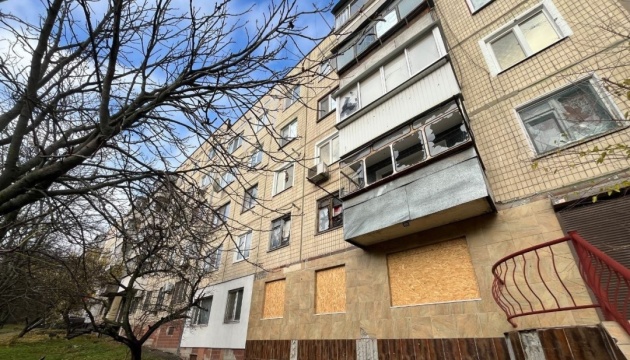
Massive Attack on Dnipropetrovsk Region: One Woman Killed, Several Injured
Throughout the day, Russian forces launched more than 40 attacks on the Dnipropetrovsk region, resulting in one fatality and multiple injuries.
 🛡️Security
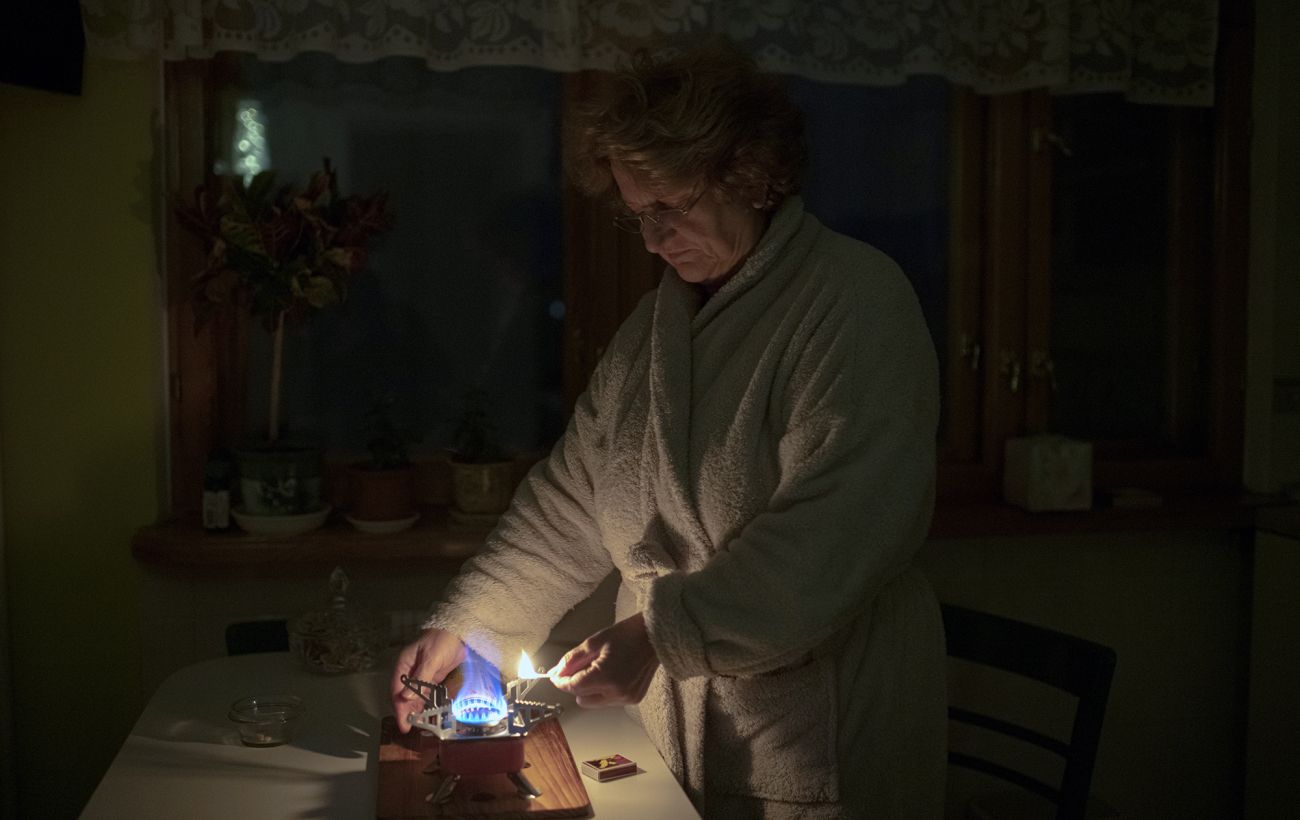
Emergency power outages introduced in five oblasts following new energy strikes
Russian forces launched another attack on the energy infrastructure of Dnipropetrovsk Oblast, causing severe electricity supply issues across several Ukrainian regions.
 💡Tech
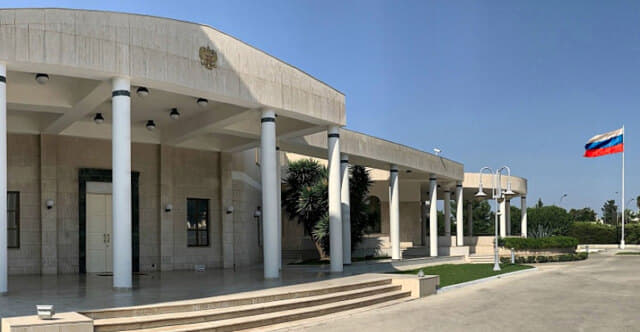
Cyprus Expels Russian Diplomats Over Suspected Espionage and Restricted Technologies
Cyprus has expelled two Russian diplomats suspected of espionage and attempting to access technologies restricted by EU sanctions.
 🚨Events
Italian Deputy Prime Minister Demands Apologies Over Peacemaker Database and Questions Aid to Ukraine
Italian Deputy Prime Minister Matteo Salvini has linked his support for Ukraine to official reactions regarding his inclusion in the unofficial Myrotvorets database, dema…
 🎭Culture & Sport
Norwegian contestant at Miss Universe 2026 stuns in troll-inspired costume
Norwegian model Abelone Smedsrud showcased a unique national costume at Miss Universe 2026, drawing inspiration from Scandinavian folklore.
 💼Economy
Czech Prime Minister Opposes Funding Ukraine Within the EU Budget
Czech Prime Minister Andrej Babiš criticized the EU's 2028-2034 budget proposal over support for Ukraine, suggesting it should be funded outside the bloc's main framework…