Who Actually Invented Potato Chips: Myths and Historical Facts Behind the Popular Snack
The famous legend claiming potato chips were invented due to a restaurant dispute turns out to be a myth. Researchers note that similar fried dishes existed long before 1853.
 🎭Culture & Sport
Photo: TSN
Key points
- The popular 1853 origin story featuring chef George Crum lacks concrete historical backing.
- Recipes for thinly sliced fried potatoes appeared in cookbooks as early as 1817.
- Chips initially started as an exclusive, high-end restaurant delicacy.
- Mass production and widespread availability only developed during the twentieth century.
Potato chips are undeniably one of the most popular snacks globally, yet the story behind their creation is surrounded by myths and folklore. The most widely accepted legend points to 1853 in Saratoga Springs, New York, where chef George Crum supposedly sliced potatoes paper-thin and salted them heavily out of frustration with a picky customer. To the chef's surprise, the guest loved the unusual dish, sparking a culinary phenomenon.
Historical Doubts and Earlier Origins
However, modern researchers and historical records challenge the accuracy of this narrative. Historians have found no evidence linking wealthy nineteenth-century tycoon Cornelius Vanderbilt to the event, despite rumors casting him as the demanding diner. Furthermore, recipes for thin-sliced fried potatoes date back even further; a similar dish was documented in English physician William Kitchiner’s cookbook as early as 1817.
Alternative theories suggest that Crum's sister, Catherine Wicks, might have accidentally dropped a potato slice into hot oil while working as a cook. Regardless of the exact pioneer, Saratoga Springs undeniably played a crucial role in popularizing the snack among upscale restaurants. It was not until the twentieth century, driven by industrial manufacturing and improved packaging, that the treat transformed into a mass-market commodity.
Source TSN — tsn.ua/tsikavinki/khto-vynayshov-kartopliani-chypsy-ta-iak-ziavylasia-p… ↗
Read next
 💡Tech
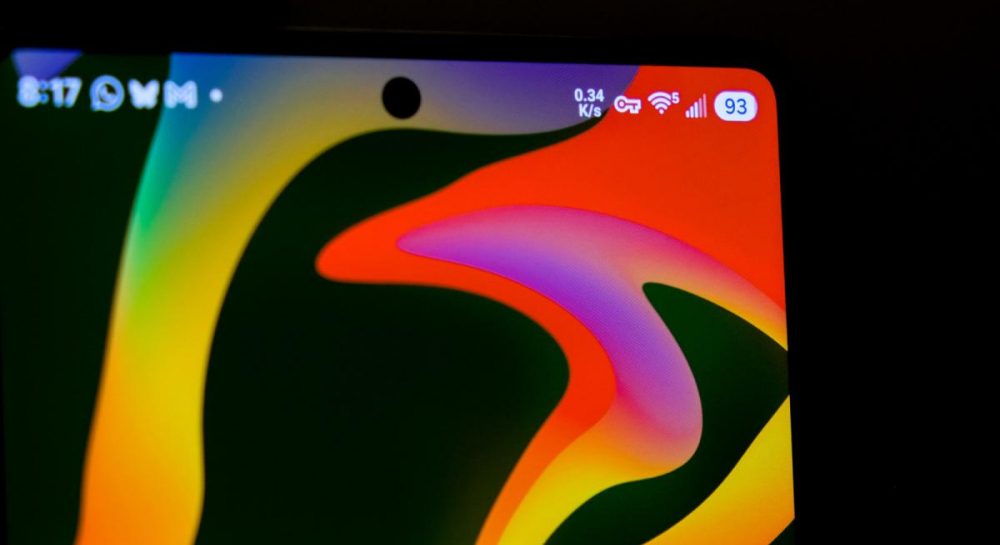
Key Icon on Android Smartphone Screen: What This Symbol Means and How to Remove It
A small key icon in the Android status bar indicates that an active VPN service is running, encrypting the user's internet traffic and hiding their real IP address.
 🇺🇦Ukraine
Hungarian Prime Minister Péter Magyar Calls Russia an Aggressor and Announces Transcarpathia Visit
Hungarian Prime Minister Péter Magyar openly condemned Russian aggression following strikes on Transcarpathia and confirmed plans to visit the Ukrainian region.
 🏛️Politics
EU Commission Responds to Putin's Moscow Invitation: Multilateral Format Remains Priority
Brussels confirmed awareness of the Kremlin's initiative but emphasizes the need for involving all allies and coordinating with the US.
 🏛️Politics
Editors Over Verdicts: SAP Prosecutor Praises NABU Media Team Amid Evidence Quality Concerns
SAP prosecutor Rostyslav Batig responded to criticisms of NABU's weak evidence by highlighting the high professionalism of the bureau's video editing and media staff.
 🏛️Politics
Kremlin Manipulates 'Humanitarian Operation' Rhetoric in Kostiantynivka Amid Naval Losses
Kremlin spokesperson Dmitry Peskov addressed strikes on Russian vessels in Libya and the Baltic, while criticizing Ukraine for rejecting a proposed 'humanitarian operatio…
 ⚽Sport
Carlos Alcaraz Triumphs at ATP Finals: Analysis of Dominance and Rising Stars
Spanish tennis star Carlos Alcaraz confirmed his elite status by winning the ATP Finals undefeated, showcasing resilience despite physical challenges.